Construction waste disposal in Dubai has one basic rule: renovation debris must go to a designated disposal site in an authorised vehicle. It can't go in community bins, building corridors or on empty land.
Under Dubai's waste law, the person who produces the waste is responsible for getting it there. On most renovations that's the contractor, so the simplest protection is to write debris removal into your contract before the work starts.
What counts as construction and demolition waste
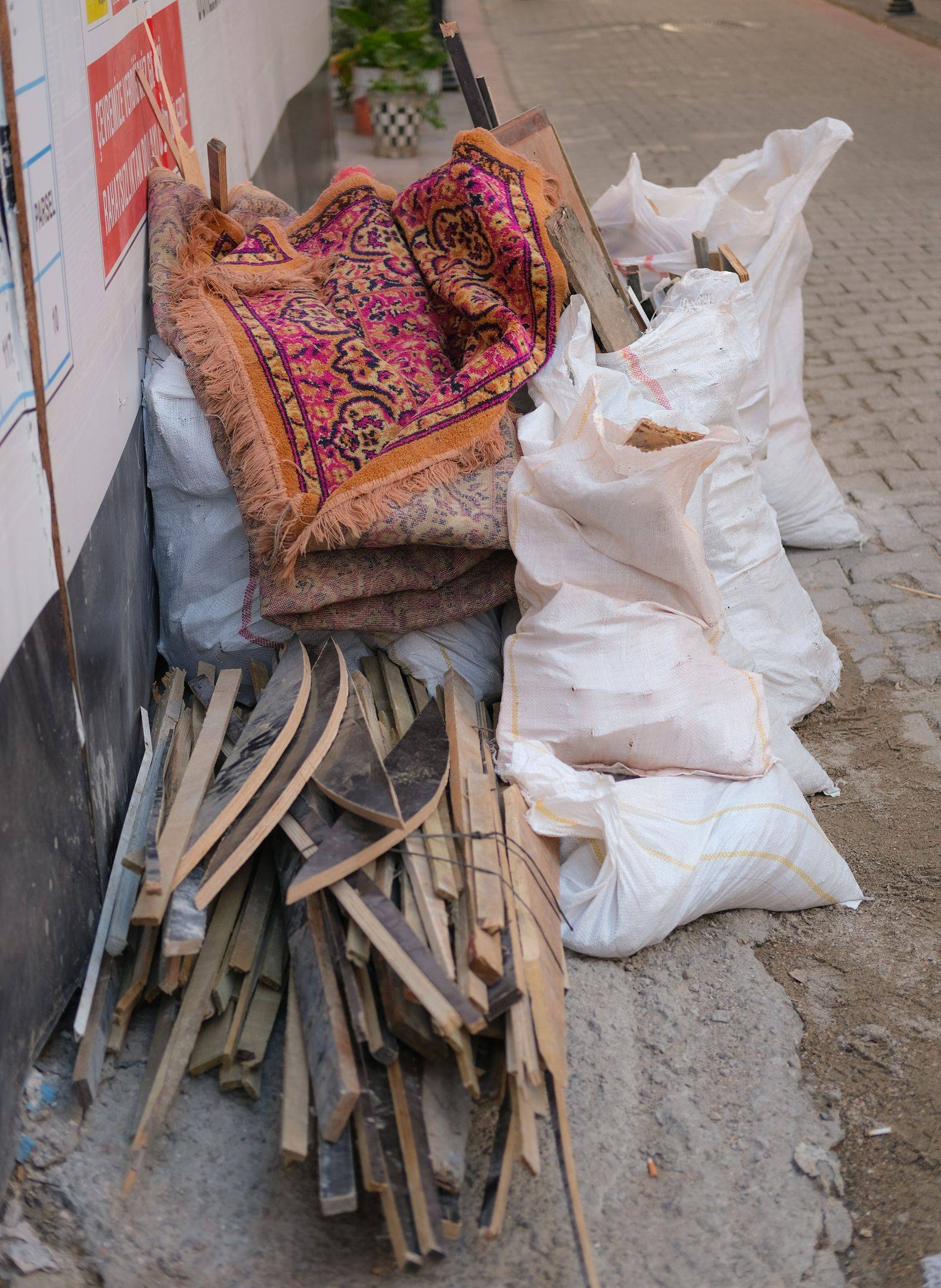
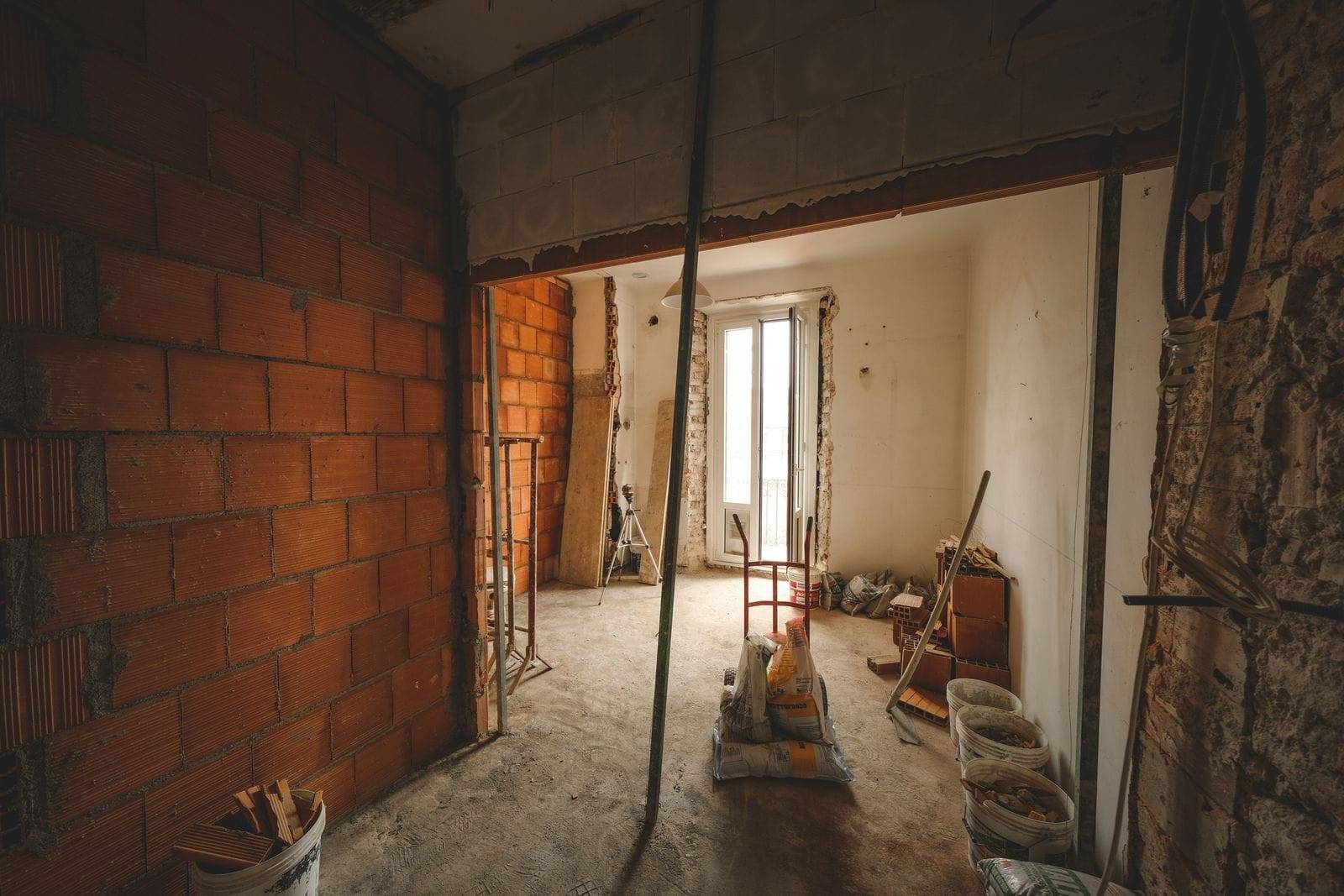
Dubai Municipality describes construction and demolition waste as the residues from building or knocking down buildings and infrastructure, mainly concrete, bricks, gypsum, wood, glass, metals and plastic. A home renovation produces a smaller version of the same thing:
- Broken tiles, rubble and old screed
- Gypsum board and old false ceilings
- Kitchen cabinets, worktops and old sanitary ware
- Doors, frames, skirting and wood offcuts
- Cable, pipe and metal fittings
- Packaging from the new materials
Paint tins, solvents, adhesives and other chemicals are different. They can be hazardous, so keep them out of the general debris and ask your contractor how they'll be disposed of.
Where it must not go
Public places and empty land
Law No. 18 of 2024, Dubai's waste management law, says that no person may dump, discard, place or otherwise dispose of any waste in public places. The law's definition of a public place includes vacant land plots. The empty plot at the end of the road isn't a disposal site, however convenient it looks.
Community and building bins
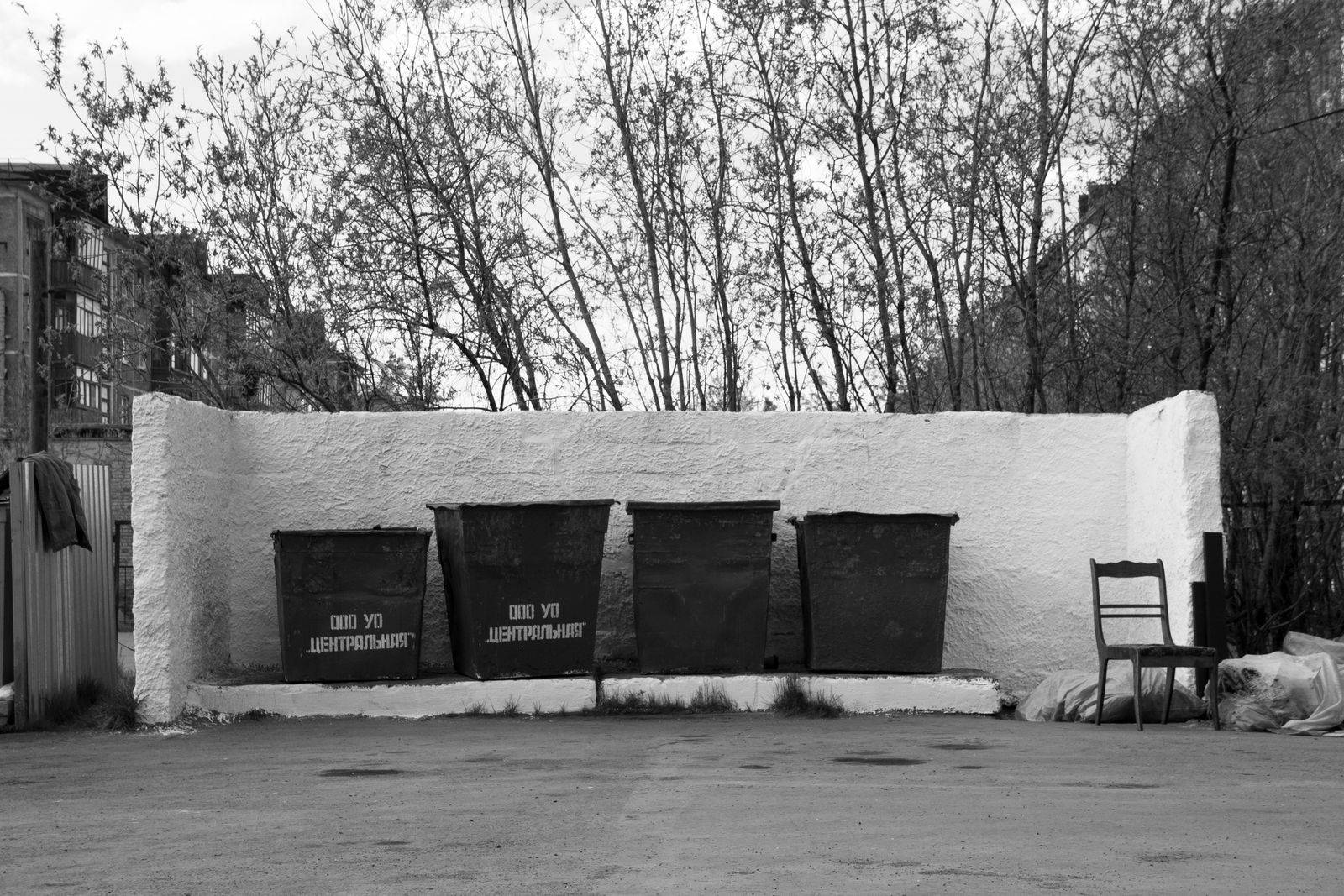
Household bins are for household waste. A few bags of rubble can split a bin and block it for everyone else. Dubai's published public hygiene penalty schedule also lists a fine for leaving goods or equipment next to a waste container.
Corridors, stairwells and car parks
In a tower, bags of debris left outside the flat or in the car park are a fire and access risk, and they're the building's problem until someone moves them. Most buildings set their own rules for renovation works, so check with management before the work starts and keep debris inside the property until it's collected.
Who is responsible: you or your contractor
Law No. 18 of 2024 requires a waste producer to transport the waste generated from its activities to disposal sites using authorised vehicles. Dubai Municipality's 2023 circular on sorting construction waste is addressed to contractors and engineering consultants, not homeowners.
In practice, when you hire a contractor, the contractor is producing the debris. When you knock out a bathroom yourself, you are. Either way, the debris has to leave by a legitimate route, and if it's dumped, the building and your neighbours will remember where it came from.
Put debris removal in the contract
Before you sign, make sure the quote or contract says, in writing:
- That removing all debris from the property is included in the price
- How often it will be removed, for example at the end of each stage, so it doesn't pile up
- Who will collect it, and where it will be taken
- That old fittings you want to keep, such as a vanity or light fittings, are set aside, not thrown out
- That corridors, lifts and shared areas will be protected and left clean
If your community or building requires approval for the renovation, read its conditions on debris and working hours, and give your contractor a copy.
Sorting materials as Dubai Municipality describes
Dubai Municipality's Circular No. 12-10-1 of 2023 asks contractors to separate and sort construction waste on site before it's transported, for example into concrete, rebar, wood, tiles and plastic. It also asks them to remove reusable parts such as doors, windows, aluminium and cables before demolition.
The circular is written for construction sites, but the same idea makes a home renovation easier:
- Keep heavy material, such as tiles and rubble, apart from bulky light material like cabinets and packaging
- Set aside metal, which is easy to recycle
- Take doors, fittings and sanitary ware out whole if someone could reuse them
- Keep anything hazardous completely separate
Sorted debris is quicker to load, and whoever collects it can see exactly what they're taking.
Small DIY jobs: practical steps
Retiling a bathroom or taking out a kitchen yourself still produces a surprising amount of waste. A typical small job goes like this:
- Check your building's or community's rules on renovation works, working hours and debris
- Bag rubble in strong bags, and only fill them to a weight one person can lift
- Keep the bags inside the property, on a protected floor, not in the corridor
- Book the service lift for collection day if you're in a tower
- Book a collection that will take it to a proper disposal site, and ask where it's going
- Sweep the route afterwards, so the building has nothing to complain about
When you send us a photo on WhatsApp for a quote, say what's in the bags. Tiles and rubble weigh far more than they look, and that affects the vehicle and the crew needed.
FAQs
What is the fine for dumping debris in Dubai?
Executive Council Resolution No. 14 of 2015 lists AED 1,000 for disposing of waste in public places or on vacant land, and AED 5,000 for disposing of waste or hazardous materials outside designated sites. Law No. 18 of 2024 allows fines of up to AED 500,000, doubled for a repeat within a year, with the specific amounts set by resolution. Check the Dubai Legislation Portal for the current schedule.
Can I put renovation waste in the community bin?
No. Bins are for household waste, and leaving debris next to them is a listed violation. Book a collection that takes it to a disposal site instead.
Should I hire a skip?
A skip can suit a large villa project with space for it on the plot. For a flat or a small job, bagged debris collected by a crew is usually simpler, because there's nowhere to put a skip and no one to fill it.