Wardrobe disposal in Dubai usually means taking the wardrobe apart in the bedroom, carrying the panels out through the service lift, and then selling, giving away or disposing of them. A freestanding or flat-pack wardrobe can be dismantled. A built-in one is part of the room, and removing it is a different job.
Most wardrobes arrived as flat boxes and were assembled in place, so they were never meant to leave in one piece. This guide covers how to tell which type you have, what to measure, and how to take one down without hurting yourself or the walls.
Freestanding, flat-pack or built-in: know which you have
Look at the top, the sides and the back before you do anything else.
- Freestanding: there's a gap between it and the walls or ceiling, and it has its own back and sides. It may still be strapped to the wall to stop it tipping
- Flat-pack: the panels are joined with cam locks, dowels and screws, usually hidden under small plastic caps, with a thin back panel pinned on
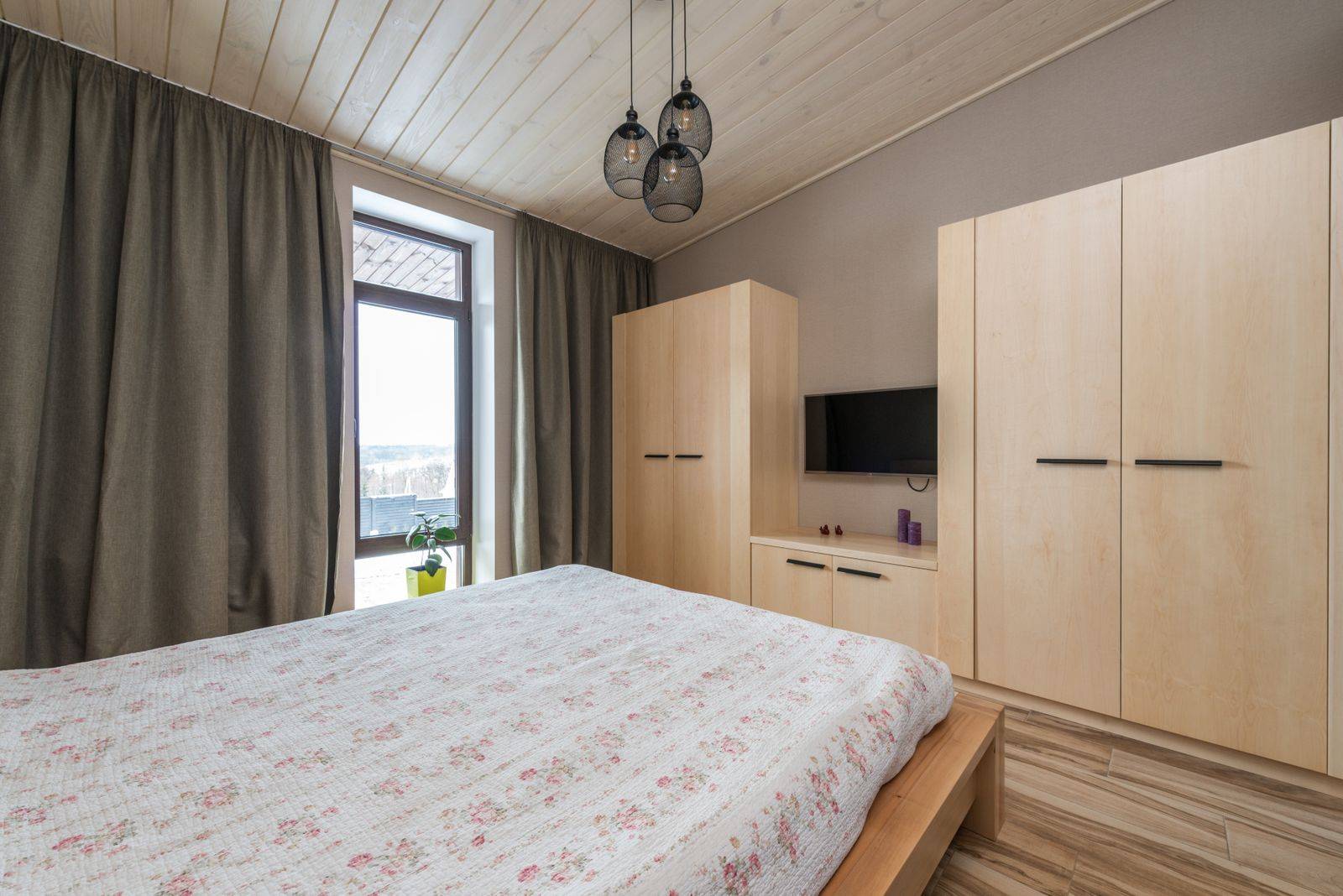
- Built-in: it runs wall to wall or up to the ceiling, with filler strips or trim closing the gaps, and often no back or sides of its own
A wall strap doesn't make a wardrobe built-in. It's a safety fixing, and it comes off with one or two screws.
Why built-in units are a fit-out job
A built-in wardrobe is fixed to the walls, floor or ceiling, and the plaster, skirting, flooring and lighting are often finished around it. Taking it out can leave damage that needs making good. That's work for a carpenter or a fit-out contractor, and your landlord or building may have to agree to it first. Once it's been taken down, a removal crew can clear the pieces.
Measure before you book
Dismantling solves most problems, but not all of them. The long side panels, the doors and the mirrors stay full length, so measure those first.
Lift door and cabin dimensions
Measure the height and width of the lift door opening, then the height and depth of the cabin. A panel taller than the cabin may still fit leaning corner to corner, so measure that diagonal too. Do this for the service lift, not only the passenger lift. In Dubai Marina, bulky items normally leave by a goods lift. Many buildings in International City don't have a large lift, so the stairs may be the route.
Corridor turns and stairwells
Walk the whole route with a tape measure, from the bedroom door to the truck. The tightest points are usually the bedroom doorway, the turn out of the flat and the landing on the stairs. Note any low ceilings, fire doors that don't stay open, and railings that stick out.
Dismantling safely
Two people is the minimum. A tall side panel or a door can fall the moment its last fixing comes out, and a half-dismantled wardrobe isn't stable.
Tools and order of work
- Empty it completely and take out the drawers, rails and loose shelves
- Lift off the doors, starting at the top hinge while someone holds the weight
- Remove the back panel, which is usually pinned or slotted in. The frame can lean once it's gone, so keep holding it
- Undo the wall strap only when someone is steadying the frame
- Take off the top panel, then separate the sides and the base
- Stack the panels flat on a blanket, longest at the bottom
- Bag the screws, cams and hinges, and tape the bag to a panel if anyone will reuse it
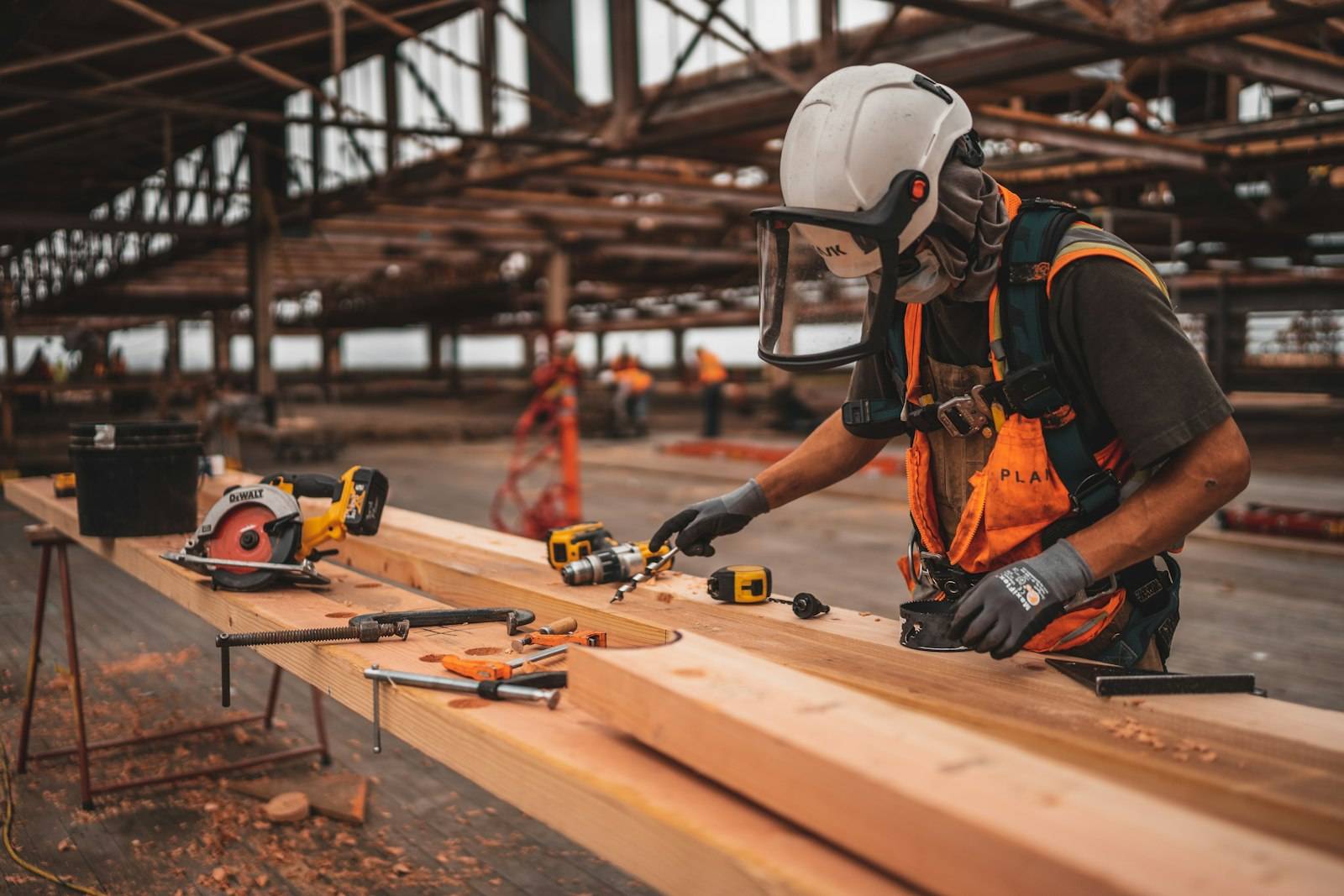
A screwdriver, hex keys, a rubber mallet, gloves and a step stool cover most flat-pack wardrobes. Don't kick or lever the joints apart. Particle board breaks into sharp edges, and the pieces are harder to carry.
Mirrors and sliding doors
Sliding doors hang from a track and are often the heaviest parts, especially with mirrors. Look for a release clip or an adjusting screw on the bottom wheels. Lift the door up into the top track, swing the bottom out and bring it down with two people. Tape a large cross over any mirror, wrap it in a blanket and carry it upright, never flat.
Building rules for moving bulky pieces
Taking a wardrobe apart doesn't change the building's rules. A stack of two-metre panels still counts as bulky.
- Ask whether you need a permit or a service lift booking, and how far ahead
- Check the hours for noisy work, since dismantling involves some knocking
- Ask whether the lift walls and corridor need protecting
- Don't store panels in the corridor, even for an hour
Rules vary between buildings. In JVC, mid-rise blocks rarely need elaborate permits, while Marina towers often want the goods lift booked a day or two ahead.
Disposal options for the parts
- Sell it complete: possible for solid wood or a good-condition branded wardrobe, if it can be rebuilt. Photograph it before you dismantle it
- Give it away: keep every fixing together, or nobody will be able to put it back up
- Dubai Municipality's free bulky waste pickup: takes household furniture where your address is eligible. It doesn't cover free zones or real estate development zones, and high-rise access is limited
- A removal crew: takes the parts from the bedroom, whole or already dismantled
Particle board swells when it gets wet and loosens each time it's rebuilt, so an older flat-pack wardrobe is usually at the end of its life once it's been down.
FAQs
Can a wardrobe be rebuilt after it's been taken apart?
Solid wood and well-made wardrobes usually can. Flat-pack ones often manage it once, but the holes loosen and the back panel tears. If you plan to rebuild it, number the panels with masking tape, take photos as you go and keep the fixings in labelled bags.
Is a landlord's wardrobe mine to remove?
No, not without their agreement. Built-in wardrobes almost always belong to the property, and freestanding ones may be on the inventory of a furnished flat. Ask in writing before you take anything down, and keep the reply for your move-out.