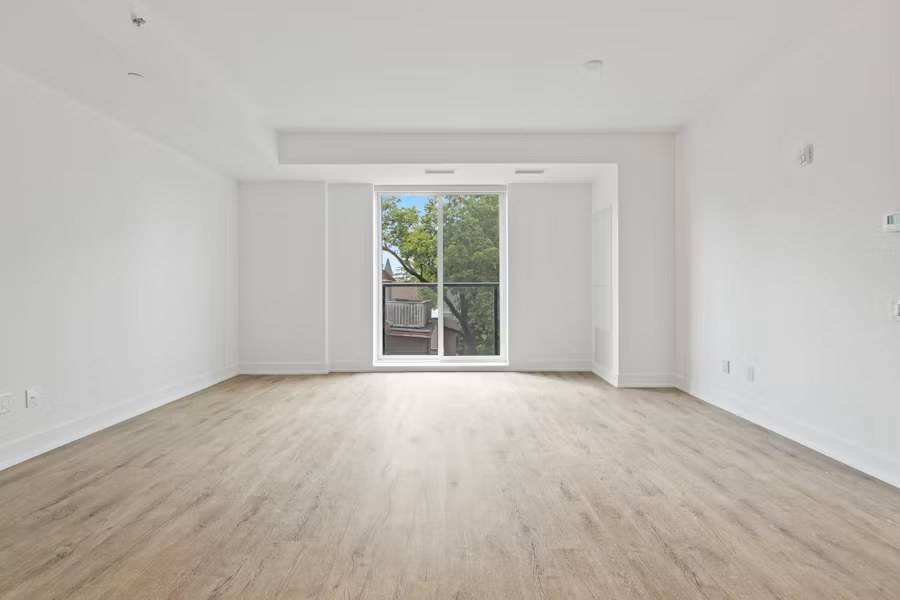
Your security deposit should come back in full when you move out in Dubai, less any genuine damage or unpaid dues. Anything you leave behind gives the landlord a reason to deduct the cost of removing it, so the simplest protection is an empty flat, checked against the inventory and photographed on handover day.
This guide covers the leftovers that cause deductions, how to tell your things from the landlord's, the spaces tenants forget, and what to do if you disagree with a deduction. It's general information, not legal advice.
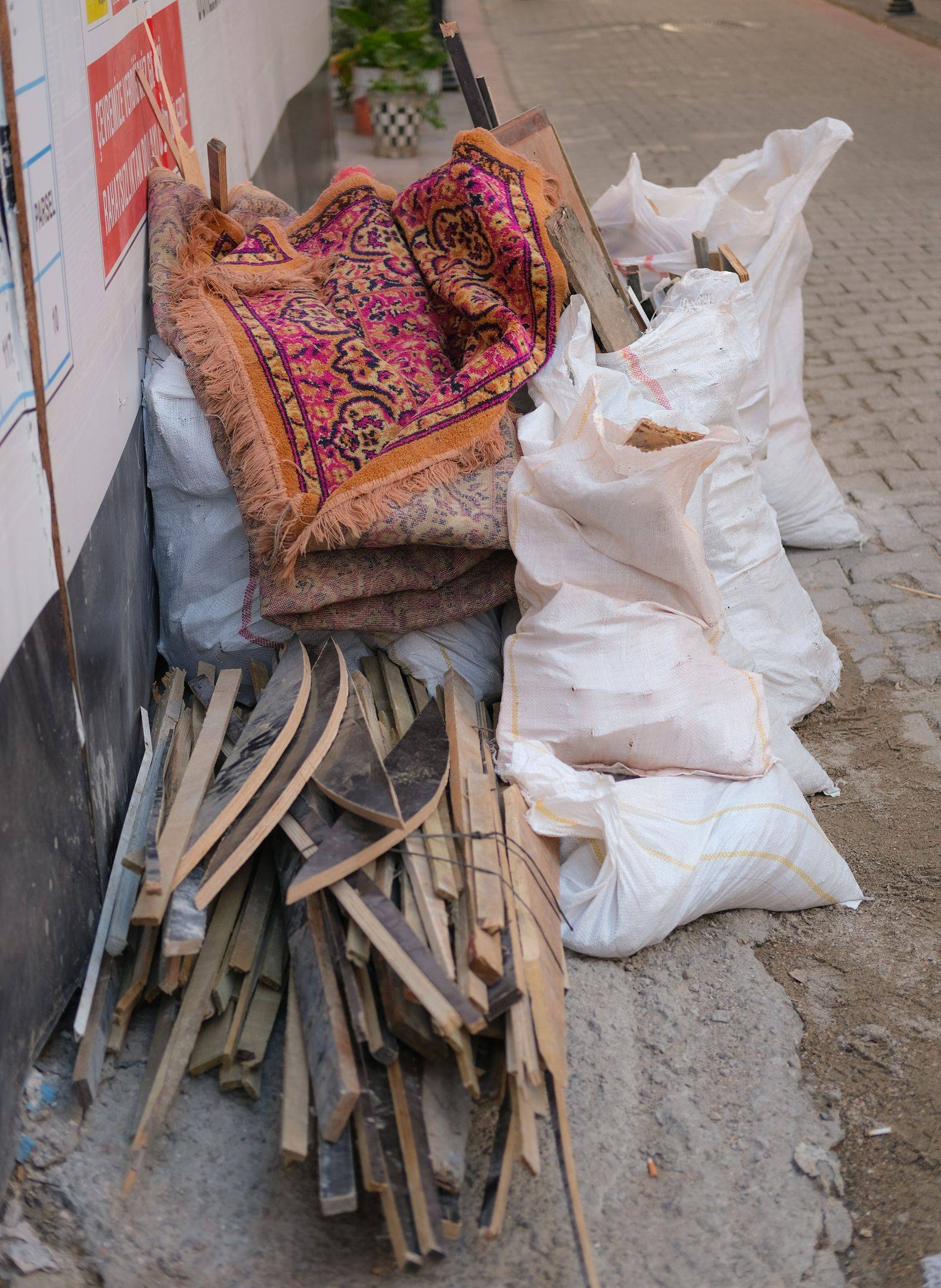
Why left-behind items lead to deductions
Dubai's tenancy law lets a landlord take a security deposit to cover maintenance of the property, and requires the landlord to refund it, or whatever remains of it, when the lease ends. That's Article 20 of Law No. 26 of 2007. Article 21 asks the tenant to hand the property back in the condition it was received, apart from ordinary wear and tear.
A flat with someone else's furniture still in it isn't in the condition it was let in. Clearing it costs the landlord or the agent time and money, and that cost is easy to take from a deposit they already hold.
The items that cause most trouble are rarely the big ones:
- A mattress or bed frame left "for the next tenant"
- Bags of rubbish and packing waste in the kitchen or the bin room
- A fridge, washing machine or TV you bought yourself and didn't want to move
- Shelving, curtain rails or wall hooks you put up during the tenancy
- Plants, pots and furniture on the balcony
Leaving something because the next person might want it rarely works out. Unless the landlord agrees in writing, treat everything you brought in as yours to remove.
Check the inventory: what's yours vs the landlord's
In a furnished flat, the inventory you signed at move-in decides what stays. Get it out before you start clearing, not on the last day.
- Walk each room with the inventory and tick off every listed item
- Mark anything you added during the tenancy, such as a second wardrobe, a desk or an extra fridge
- Put back any landlord items you moved, for example into a storage cage, where the inventory lists them
- Note anything listed that's broken or missing, and decide whether to repair or replace it before handover
Fridges, washing machines, wardrobes and bed frames are the items most often mixed up. If you replaced a landlord's broken appliance with your own, keep the message or receipt that shows which is which.
In an unfurnished flat the rule is simpler. The property should be empty apart from the fittings that were there when you arrived. Built-in wardrobes and kitchen units stay, and freestanding furniture goes.
For the wider plan, from selling furniture to booking the lift, see our move-out checklist.
Clearing storage cages, balconies and parking bays
A move-out inspection doesn't stop at the front door. Agents check the spaces tenants use least, and that's where items get left.
Storage cages and storerooms
Some towers, including many in Dubai Marina and JLT, come with a basement storage cage or storeroom. Old suitcases, paint tins and broken chairs collect there for years. Ask building management where yours is and whether reception holds the key.
Balconies
Clear plants, pots, drying racks and outdoor furniture, then sweep the floor. Some buildings restrict what can be kept on balconies, so a cluttered one can also draw a note from building management.
Parking bays
Bicycles, tyres and boxes left in an allocated bay are easy to forget once the car has gone. Check the bay on your last day.
Our move-out clearance crew clears balconies, storage cages and parking spaces in the same visit as the flat. If your building needs a move-out permit before anything bulky leaves, sort that first. Our move-out permit guide explains how the NOC and gate pass work.
Photo evidence at handover
Photos are your record that the flat was empty and clean when you returned the keys. Take them after the last item has gone and before you hand over.
- Take a wide shot of every room from the doorway, then each corner
- Open the wardrobes, kitchen cupboards and fridge, and photograph inside
- Photograph the balcony, storage cage and parking bay
- Capture the meter readings and any marks you reported at move-in
- Keep the files with their original date and time, and don't edit them
Compare them with any photos or condition report from the start of the tenancy. Wear from normal use isn't damage under Article 21, and before-and-after photos are the clearest way to show the difference.
If a clearance crew empties the flat, ask for completion photos. We send them once a clearance is finished, which helps when you've already left and someone else is handing over the keys.
Finally, get the handover in writing: a signed inspection report, an email from the agent, or a message confirming they received the keys and access cards.
If there is a dispute
If the landlord deducts for items or damage you disagree with, start in writing. Ask for an itemised list of deductions and the evidence behind each one, then reply with your photos and the signed inventory.
If that doesn't settle it, rental disputes in Dubai go to the Rental Disputes Center at the Dubai Land Department. Law No. 26 of 2007 sends disputes about the property's condition at handover to a tribunal, and Decree No. 26 of 2013 set up the centre to take over that role. A claim needs a tenancy contract registered with Ejari, so keep a copy of yours.
Check the Dubai Land Department's current guidance on fees and how to file before you start. We can clear the property, but we can't advise on a dispute.
FAQs
Can the landlord charge for removing my junk?
If you leave items that aren't on the inventory, the landlord has a reason to claim the cost of clearing them from the deposit. Avoid it by clearing everything before the inspection and keeping dated photos of the empty flat.
Can I leave furniture for the next tenant?
Only if the landlord agrees in writing, ideally by adding it to the inventory. Without that, it counts as something you left behind.
What if I've already left Dubai?
Someone you trust, or your agent, can let a crew in. Send photos of what's left, agree the price and how you'll pay, and we send completion photos once the flat is empty.