Office furniture disposal in Dubai works best as three decisions, made in order: what can be reused in the business, what can be sold or donated, and what has to be removed. Settling the first two before you book a clearance usually means a smaller, cheaper removal and less going to waste.
This guide is for office managers, SMEs and co-working operators in places like JLT, Al Quoz and Dubai Investments Park who are downsizing, refurbishing or moving out.
Audit: what is reusable, resaleable or scrap
Walk the office with a simple spreadsheet and sort every piece into one of three columns.
- Reusable: good-condition chairs, storage and meeting tables that suit your next space
- Resaleable or donatable: sound furniture you won't use, especially branded task chairs, height-adjustable desks and steel storage
- Scrap: broken chairs, chipped laminate desks, damaged partitions and anything stained or sagging
Be honest in the scrap column. Worn laminate desks and old swivel chairs rarely sell, and holding onto them in the hope of a buyer often means paying to store them first and remove them later.
Count as you go: "14 task chairs, 8 bench desks, 3 pedestal units" is far more useful to a buyer or a clearance crew than "a lot of furniture". Photograph each type.
Before anything goes in a column, check who owns it. Furniture can be leased, provided with a serviced office, or left by a previous tenant and listed in your lease. None of that is yours to sell or throw away without agreement.
Resale and donation routes for office furniture
Used office furniture moves best in batches. A buyer wants ten matching chairs, not one.
- Used office furniture dealers may buy matching sets, usually collecting themselves
- Online marketplaces suit smaller lots and individual pieces in good condition
- Staff often want chairs, monitor arms and storage for home offices
- Schools, charities and community groups sometimes accept sound furniture, but ask what they can use and collect
- The building or the incoming tenant may want to keep some pieces, which saves everyone a move
Leave time. Selling and donating take weeks, not days, so start this at least a month before you need the space empty. Whatever hasn't gone by the cut-off date moves to the removal list.
Getting furniture ready to sell
- Wipe down desks and chairs, and photograph matching pieces together as a set
- Note the brand and model where you can find it, usually on a label under the seat or desktop
- Give dimensions for desks and storage, so buyers know whether it fits their space
- Be clear about faults, such as a broken gas lift or a missing key
- Set collection terms: the buyer collects, from the loading bay, during the building's permitted hours
Dismantling workstations and partitions
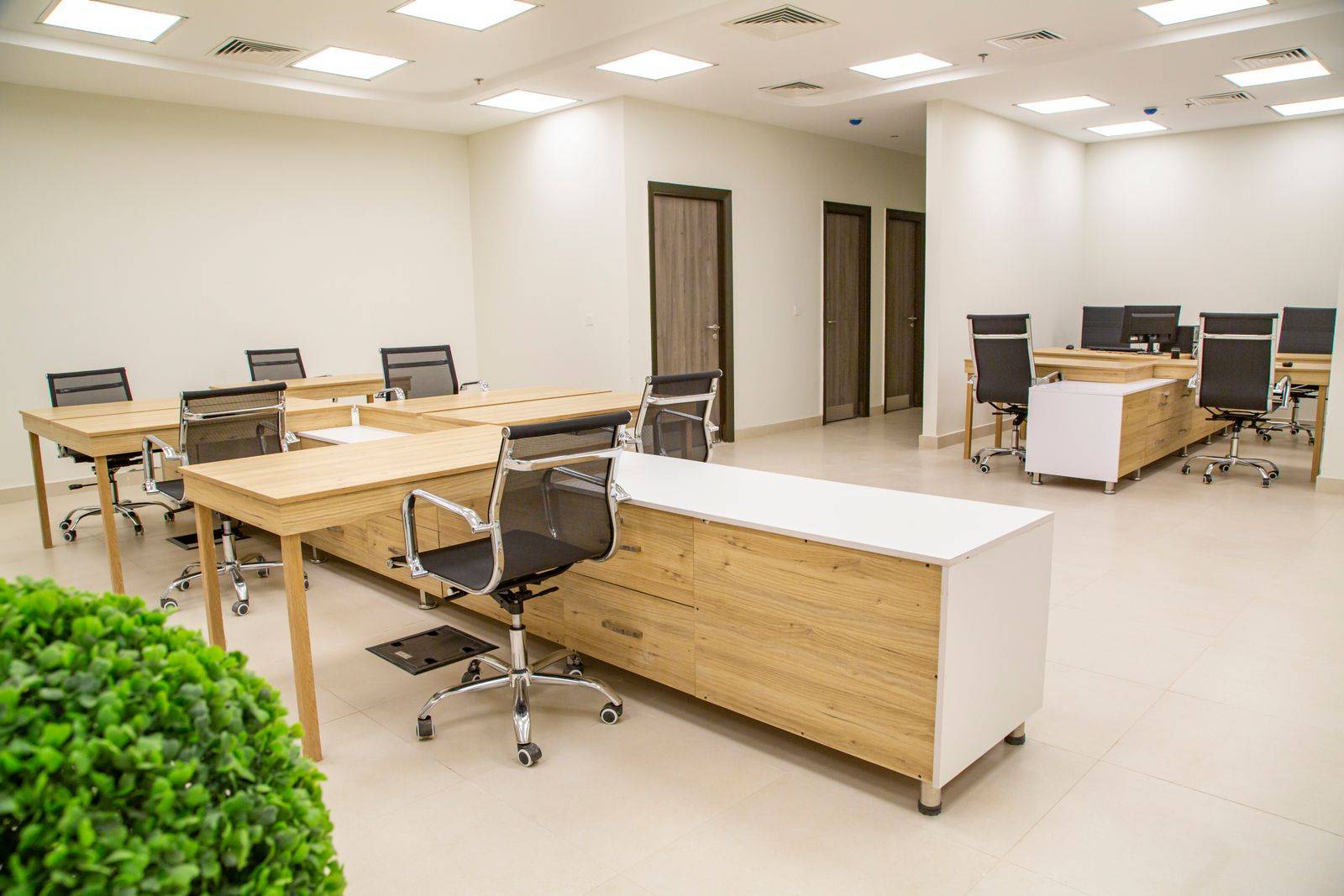
Most office furniture has to come apart to leave the building. Bench desks unbolt into frames and tops, cable trays and screens come off, and pedestals roll out separately. Our crews dismantle freestanding furniture on site as part of the clearance.
- Clear desks of personal items, papers and IT equipment first
- Unplug and remove monitors and computers, which should be handled separately from furniture
- Empty filing cabinets and pedestals, and keep the keys with them
- Note anything bolted to the floor or wall
Freestanding vs fixed partitions
Freestanding partitions and desk screens clip or bolt to the furniture and can be removed with it. Fixed partitions, glass walls and anything built into the floor or ceiling are part of the fit-out. Those need a fit-out contractor, and often the building's approval, before they come out.
What happens to the furniture nobody wants
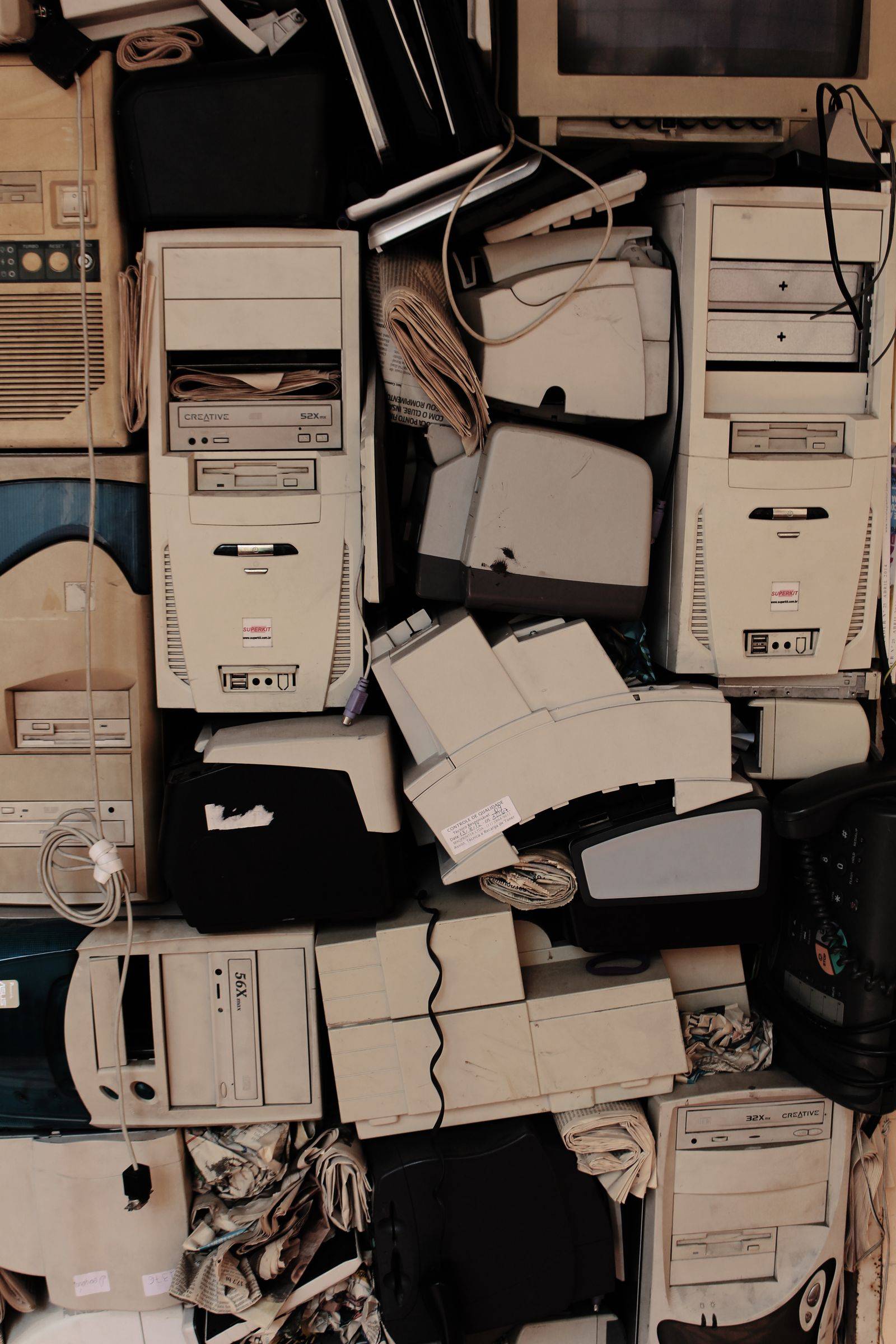
Furniture that can't be reused, sold or donated still doesn't all end up in the same place. Steel frames, filing cabinets and metal storage can be recycled for their metal. Laminate and particle board are harder to recycle and are more often disposed of. We set aside what can be reused or recycled where possible, and the rest goes for disposal through proper channels.
Separating as you dismantle helps. Keeping metal frames apart from desktops and cardboard apart from both makes it far more likely each part goes somewhere useful.
Clearing without disrupting staff
If the office is still working, plan the clearance around the people in it.
- Clear in zones, starting with empty desks, storerooms and unused meeting rooms
- Book evenings or weekends where the building allows it, so lifts and corridors are free
- Tell staff which day their area is cleared, and what they need to empty first
- Keep fire exits and corridors clear between visits
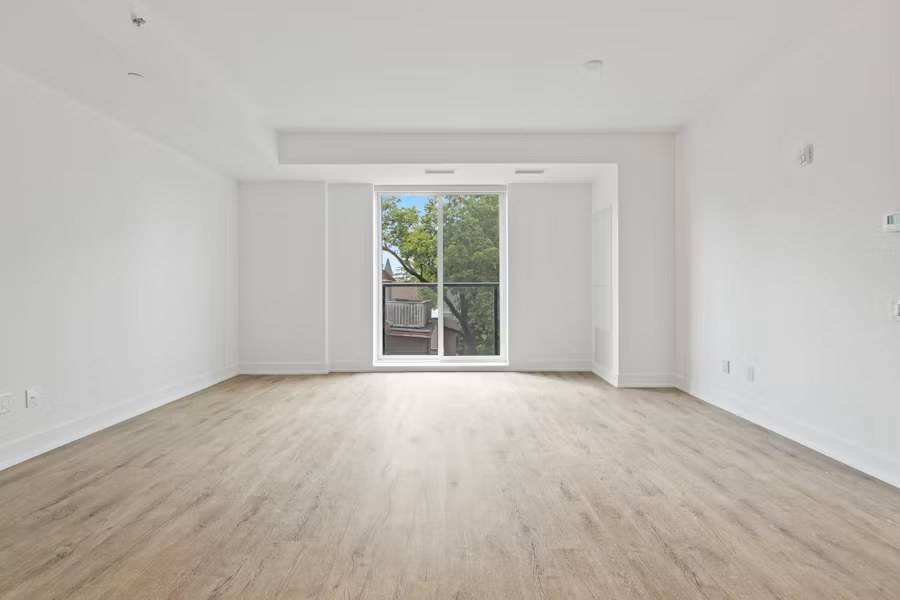
After the final visit, walk each zone with the clearance list. Check under desks, inside cupboards and in the storeroom for anything missed, then take dated photos of the empty space. If the office is being handed back, those photos are useful when the landlord inspects it.
FAQs
Can you take partitions once the fit-out contractor has removed them?
Yes. Once fixed partitions, ceilings or flooring have been stripped by a contractor, we can clear the panels and debris they leave behind, along with the rest of the furniture.
Is it worth selling old office chairs?
For matching sets of good branded task chairs, often yes. For mixed, worn or basic chairs, usually not. The time spent listing and arranging collections costs more than they'll sell for.